Temperature rise
Temperature Rise from a 65 F Inlet to 120 F
Researched from the DOE test procedures, NFPA 54 and NEC code tables, and manufacturer specifications. Updated .
Quick answer
Temperature rise is simply the outlet temperature minus the inlet temperature, and it is the number that decides everything about a tankless unit and much about a tank one. At 65 F in and 120 F out the rise is 55 F.
Every gallon through that rise needs 458 BTU. That is why the same unit performs so differently in different regions, and why a flow figure quoted without a rise attached is not a specification.
What a 55 F rise does to tankless flow
| Gas input | Flow at 55 F | Flow at a 35 F rise | Difference |
|---|---|---|---|
| 120,000 BTU/h | 3.6 GPM | 5.6 GPM | 36% less |
| 150,000 BTU/h | 4.5 GPM | 7 GPM | 36% less |
| 180,000 BTU/h | 5.4 GPM | 8.4 GPM | 36% less |
| 199,000 BTU/h | 5.9 GPM | 9.3 GPM | 37% less |
Published standard Source: GPM = BTU per hour x efficiency / (rise x 8.33 x 60). The 35 F column is roughly where manufacturers measure their headline figure, which is why the advertised number and the delivered number differ so much in cold regions.
What a 55 F rise does to tank recovery
| Heat source | Recovery | Minutes to reheat 50 gallons |
|---|---|---|
| 4,500 W element | 33.5 GPH | 90 min |
| 5,500 W element | 41 GPH | 73 min |
| 36,000 BTU burner | 62.9 GPH | 48 min |
| 40,000 BTU burner | 69.8 GPH | 43 min |
Published standard Source: Energy relation Q = m x c x dT, at 80 percent burner efficiency. A tank is far less sensitive to rise than a tankless unit, because a bigger rise means a slower recovery rather than a thinner stream.
How to find your own inlet temperature
Measure it rather than estimating it. Run an outside tap for a full minute so the water in the pipe is cleared, catch a glass and put a probe thermometer in it. Do it in late winter if you can, because that is when groundwater is coldest and the rise is largest.
Groundwater temperature lags air temperature by roughly two months, so the coldest inlet arrives after the coldest weather rather than during it. That lag is why a tankless unit that felt fine in the autumn disappoints in early spring.
Is 120 F the right outlet temperature?
120 F is the common scald safety setpoint and it is a convention rather than a test procedure figure. There is a real tension underneath it: Legionella grows in roughly the 77 to 113 F range, so storing at 120 F sits uncomfortably close to that band.
The resolution the plumbing trade uses is to store hotter and deliver cooler, with a thermostatic mixing valve doing the reduction. That is covered honestly on the 120 against 140 comparison.
Measuring your own inlet
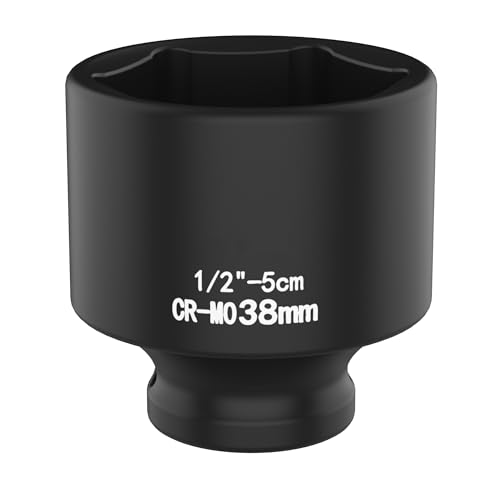
Timsec 1-1/2 in Element Socket, 1/2 in Drive
$13.99One and a half inches is the residential element size. The 1-1/16 inch sockets that dominate these search results are the RV anode size and will not fit.
Best for: Any residential element replacement
Check price on Amazon
1-1/2 in Element Socket, Six Point
$9.99Six point rather than twelve, which is what keeps the socket from rounding off a corroded element flange.
Best for: An element that has been in for years
Check price on Amazon
Rheem RTG 7.0 GPM Natural Gas Indoor
$653.77A 160,000 BTU non-condensing indoor unit, which is the cheapest way into a real brand-name gas tankless with a dealer parts channel behind it.
Best for: A one or two bathroom house in a warm inlet climate
Check price on AmazonFrequently asked questions
- What is the temperature rise from 65 F to 120 F?
- 55 F. Temperature rise is simply the outlet temperature minus the inlet temperature, and every gallon through it needs 458 BTU. That figure is what a tankless unit has to produce continuously, and it is what sets the flow rate the unit can actually deliver at your house.
- Why does temperature rise matter more for tankless than for a tank?
- Because a tankless unit has no storage to fall back on, so everything it delivers has to be heated in the moment. The energy needed is flow times rise, so doubling the rise halves the flow the unit can make. A tank absorbs the difference in a slower recovery instead, which is far less noticeable during a single shower.
- Does the inlet temperature change through the year?
- Yes, and by 20 F or more in northern regions. Groundwater temperature lags air temperature by roughly two months, so the coldest inlet arrives after the coldest weather. Size to the coldest inlet you will see rather than the annual average, or the unit will be undersized exactly when the household needs it most.
- How do I measure my inlet temperature?
- Run an outside tap for a full minute to clear the water standing in the pipe, catch a glass and put a probe thermometer in it. An instant read probe is accurate enough and costs very little. Do it in late winter for the worst case figure, and repeat it in summer if you want to see the full swing.
- Does a bigger rise cost more to run?
- Yes, in direct proportion. Heating a gallon through 55 F takes 458 BTU, and heating the same gallon through half that rise takes half the energy. That is why lowering the setpoint saves money and why a warm inlet region has a lower water heating bill for the same hot water use, whatever the heater is.
Water temperature is a genuine tradeoff, not a single right answer. Water at 140 F scalds a child in seconds and 120 F is the common scald safety setpoint, but Legionella grows in roughly the 77 to 113 F range, which is why storing hotter and mixing down at a thermostatic mixing valve is what the plumbing trade actually does. Households with young children, older adults or anyone with reduced sensation have a different risk balance, and that is a decision for the household rather than for a calculator.