Heat Pump
Best Heat Pump Water Heaters
Researched from the DOE test procedures, NFPA 54 and NEC code tables, and manufacturer specifications. Updated .
Quick answer
A heat pump water heater is a small refrigeration circuit bolted to the top of a tank. Instead of converting electricity to heat close to one-to-one the way a resistance element does, it uses that electricity to run a compressor that pulls heat out of the air around it and moves it into the water, which is why its efficiency rating can legitimately sit above 1.0 where a resistance tank's cannot. That efficiency is real, but it only shows up if the installation gives the compressor what it needs: enough air volume to draw heat from, somewhere for the condensate to drain, and a household that does not mind the surrounding space running a few degrees cooler.
This catalog carries five heat pump and hybrid water heaters. That is a genuinely small list next to a category like point of use heaters, and the picks below are ranked by installation fit and household size rather than by manufacturer alone.
Why can a heat pump water heater have a Uniform Energy Factor above 1?
A resistance element turns electricity into heat close to one-to-one, so a plain electric tank's Uniform Energy Factor sits under 1. A heat pump water heater instead runs a refrigeration circuit that moves heat already present in the surrounding air into the tank, so for every unit of electricity it consumes it can move more than one unit of heat, and its UEF is reported above 1 as a result. This is the same basic idea behind a refrigerator or an air conditioner, run in reverse to add heat rather than remove it.
None of the five listings in this catalog states an exact UEF number in its title or bullet points, so treat the certified figure on the manufacturer's own EnergyGuide label or spec sheet as the number to compare, not a number repeated secondhand. Energy Star certification, which four of the five units below carry, does mean the unit has cleared a Uniform Energy Factor threshold under the DOE test procedure, even where the exact figure is not printed in the listing.
What does a heat pump water heater need in the room around it?
Three conditions decide whether a heat pump water heater performs anywhere near its rating: roughly 700 cubic feet of surrounding air for the compressor to draw heat from, a working condensate drain, and a space where the household genuinely does not mind the air running a few degrees cooler. A small, sealed mechanical closet gives the compressor almost none of the first condition and forces it onto its backup resistance elements far more often than a spec sheet implies.
| Model | Gallons | Energy Star certified | Tier |
|---|---|---|---|
| Senville Hybrid Heat Pump | 50 | Yes | Beginner |
| Rinnai REHP50 | 50 | Yes | Intermediate |
| ACiQ 50 Gallon Hybrid | 50 | Not stated in this listing | Intermediate |
| Rinnai REHP65 | 65 | Yes | Expert |
| Rinnai REHP80 | 80 | Yes | Expert |
Published standard Source: Manufacturer listing specifications and Energy Star certification status as published in the product catalog.. Energy Star certification for a water heater is based on the DOE Uniform Energy Factor test procedure, so a certified unit has cleared a published efficiency threshold even where the exact UEF figure is not stated in the listing itself.
What happens when a heat pump water heater can't keep up with a heavy draw?
A hybrid design like the ACiQ 50 gallon runs its compressor for most normal use and switches on its backup resistance elements only when demand outpaces what the compressor alone can deliver, so recovery slows rather than stopping. That backup behavior is standard on nearly all residential heat pump tanks, not a feature unique to one brand; it is the reason a heat pump water heater rarely leaves a household with no hot water at all, even on a day the compressor cannot keep pace by itself.
What accessories does a heat pump water heater installation actually need?
Two accessories come up more often on a heat pump water heater than on a plain electric tank of the same size.

Everflow AWHP30 30 in Aluminum Pan
$59.99Thirty inches of inside diameter, wide enough for a heat pump tank's cabinet, which sits wider than a resistance tank of the same gallon count.
Best for: Heat pump water heaters and 75 to 80 gallon tanks
Check price on Amazon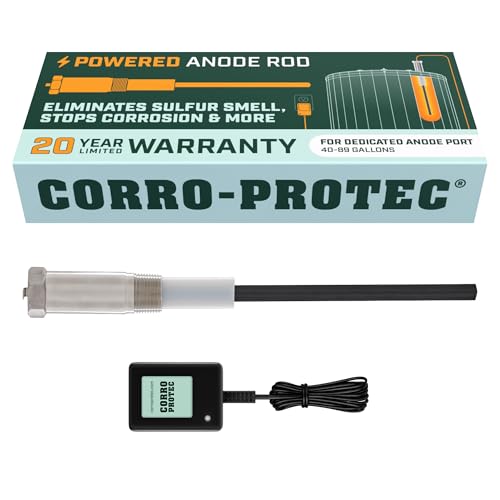
Corro-Protec Powered Anode Rod
$179.95An impressed current anode is replaced once rather than every few years, which matters on a tank this expensive to pull back out of a tight mechanical closet.
Best for: Hard water, or a tank you intend to keep
Check price on AmazonHow we chose these heat pump water heaters
We did not install or run any of these units ourselves. This catalog carries five heat pump and hybrid water heaters, and the picks above are compiled from manufacturer specifications, Energy Star certification records, and the pattern of verified owner reviews for reliability, service support and installation fit. Five units is a genuinely small selection next to a category like point of use heaters, and that is stated here rather than papered over.
Buying tips for a heat pump water heater
Measure the actual room, not just the tank footprint, against the roughly 700 cubic foot air volume guideline before ordering, and confirm the condensate drain routes to a floor drain, a condensate pump or an approved indirect waste rather than onto a slab where it can freeze. Read the full heat pump installation requirements guide before buying, and compare the ongoing math against a resistance tank at operating cost calculator and payback calculator.
Do not seal a heat pump water heater into a space too small for it just to save floor area. A starved compressor runs on backup resistance elements more of the time, which quietly erases the efficiency advantage that justified the higher price.
The picks, by tier
Beginner is the lowest priced way into a certified heat pump tank. Intermediate is a straight, well supported replacement or a hybrid design built not to run out of hot water. Expert sizes up for larger households where the compressor needs the extra tank volume to keep pace.

Senville Hybrid Heat Pump 50 Gallon
$1,099.99The lowest entry price into a heat pump water heater in this catalog and still Energy Star certified, a reasonable first heat pump tank for a warm basement or garage.
Best for: A first heat pump water heater in a warm garage or basement
Check price on Amazon
Rinnai REHP50 50 Gallon
$1,799.00A standard 50 gallon replacement from a manufacturer with a residential service channel already in place, which is the detail that decides what year eight of ownership looks like.
Best for: The standard 50 gallon replacement, done properly
Check price on Amazon
ACiQ 50 Gallon Hybrid
$1,799.99Runs its compressor most of the time and calls on the resistance elements only during a heavy draw, so it never simply fails to make hot water the way a compressor-only design can.
Best for: Households unwilling to risk a slow recovery
Check price on Amazon
Rinnai REHP65 65 Gallon
$2,049.00Stepping up a tank size is the standard fix when a heat pump water heater cannot keep pace with a household, because the larger volume lets the slower compressor do more of the work and the elements less.
Best for: Four people who do not want the elements running
Check price on Amazon
Rinnai REHP80 80 Gallon
$2,299.00Eighty gallons is tall enough that ceiling height and the surrounding air volume become the real qualifying questions before this unit belongs on a shortlist at all.
Best for: Large households with the room and the air volume
Check price on AmazonFrequently asked questions
- What does a Uniform Energy Factor above 1 mean for a heat pump water heater?
- It means the unit moves more heat into the tank than the electrical energy it consumes, because a refrigeration circuit relocates heat already present in the surrounding air rather than generating all of it from resistance. A plain electric tank cannot exceed a UEF of 1 this way. None of the listings here states its exact UEF number, so check the manufacturer's own EnergyGuide label for the certified figure.
- How much air space does a heat pump water heater need around it?
- Roughly 700 cubic feet of surrounding air is the commonly cited installation guideline, close to an 8 by 10 foot room with a normal ceiling. Undersizing that space starves the compressor of air to draw heat from and forces the unit onto its backup resistance elements more often, which erodes the efficiency advantage that justified paying more for a heat pump water heater in the first place.
- What is the difference between the Rinnai REHP50 and the ACiQ 50 gallon hybrid?
- Both are 50 gallon heat pump tanks, but the ACiQ is described as a hybrid that runs its compressor most of the time and calls on backup elements specifically during a heavy draw, while the Rinnai comes from a manufacturer with a longer established residential service network. Either is a reasonable standard 50 gallon replacement; the choice comes down to service support versus draw-heavy backup behavior.
- Does a heat pump water heater need a condensate drain?
- Yes. The refrigeration process that lets a heat pump water heater exceed a Uniform Energy Factor of 1 produces condensate the way an air conditioner does, and that water needs somewhere to go, typically a floor drain, a condensate pump, or an approved indirect waste connection. Skipping this during installation planning is one of the more common mistakes with this category.
- Should a heat pump water heater go in a small closet?
- Not without checking the air volume first. A small, sealed closet gives the compressor far less than the roughly 700 cubic feet of surrounding air it is designed around, which pushes the unit onto its backup resistance elements more often and reduces the real-world efficiency well below what the certified rating suggests.
- Why does this catalog only carry five heat pump water heaters?
- Heat pump and hybrid water heaters are still a smaller, higher-priced category online than plain electric tanks or point of use heaters, so the honest selection is currently five units across three tank sizes. All five are reviewed here from published specifications and verified owner reviews, not from an in-person installation.
Route the condensate drain properly and read the actual UEF off the manufacturer's spec sheet, not off a secondhand number. A condensate line that discharges onto a cold slab or a driveway can freeze and back up into the unit, and the certified efficiency figure that justifies a heat pump water heater's price only means what the label says it means.